UiM 010
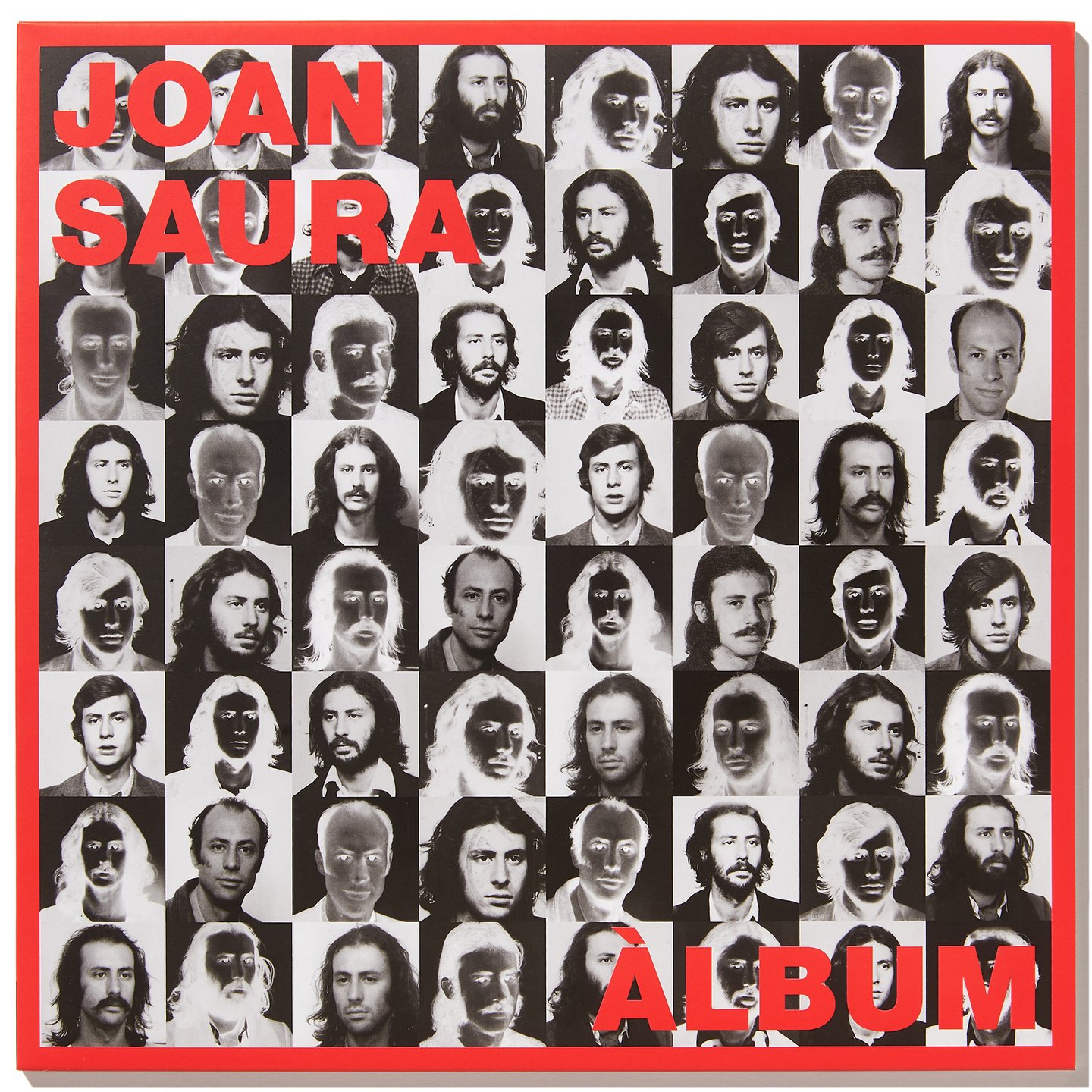
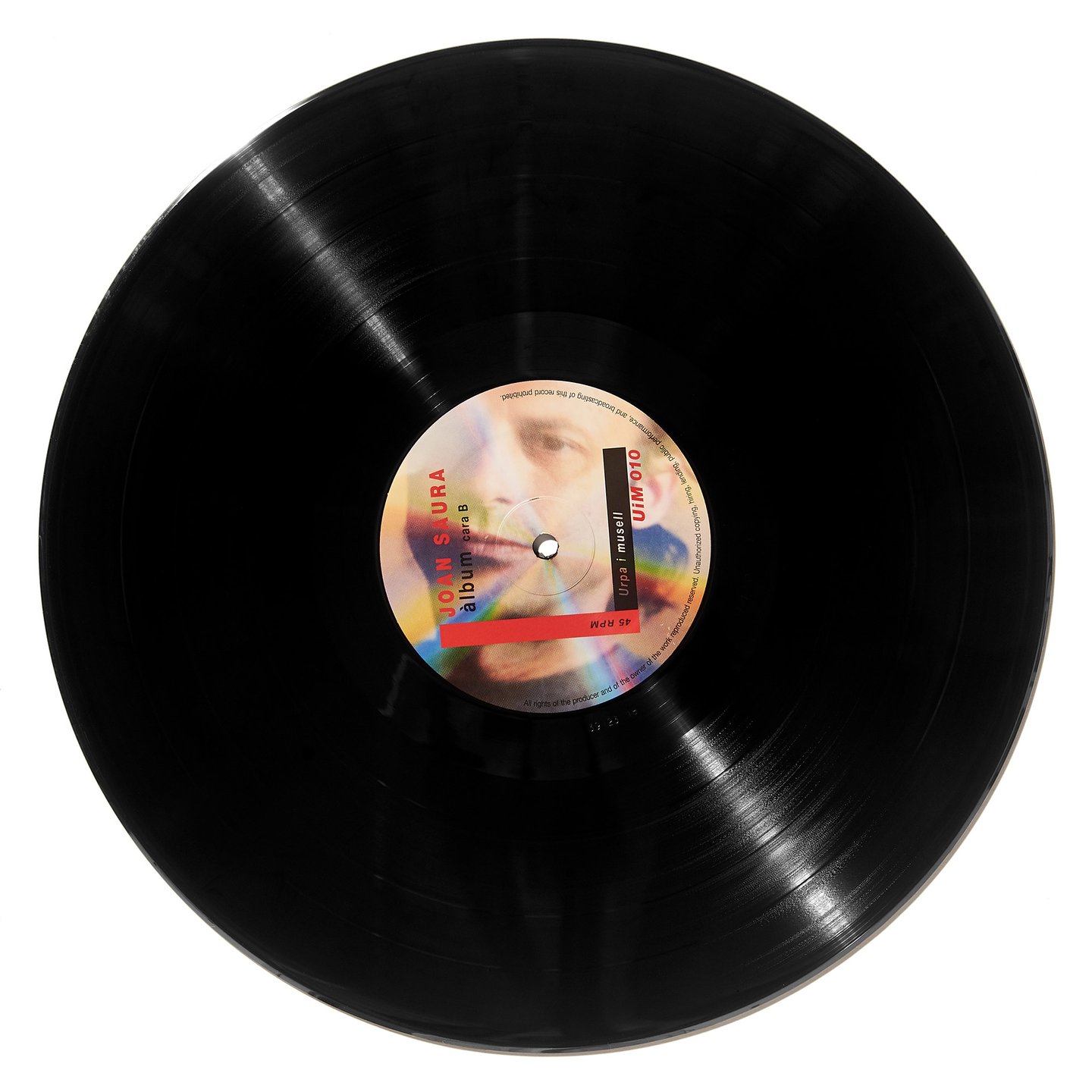
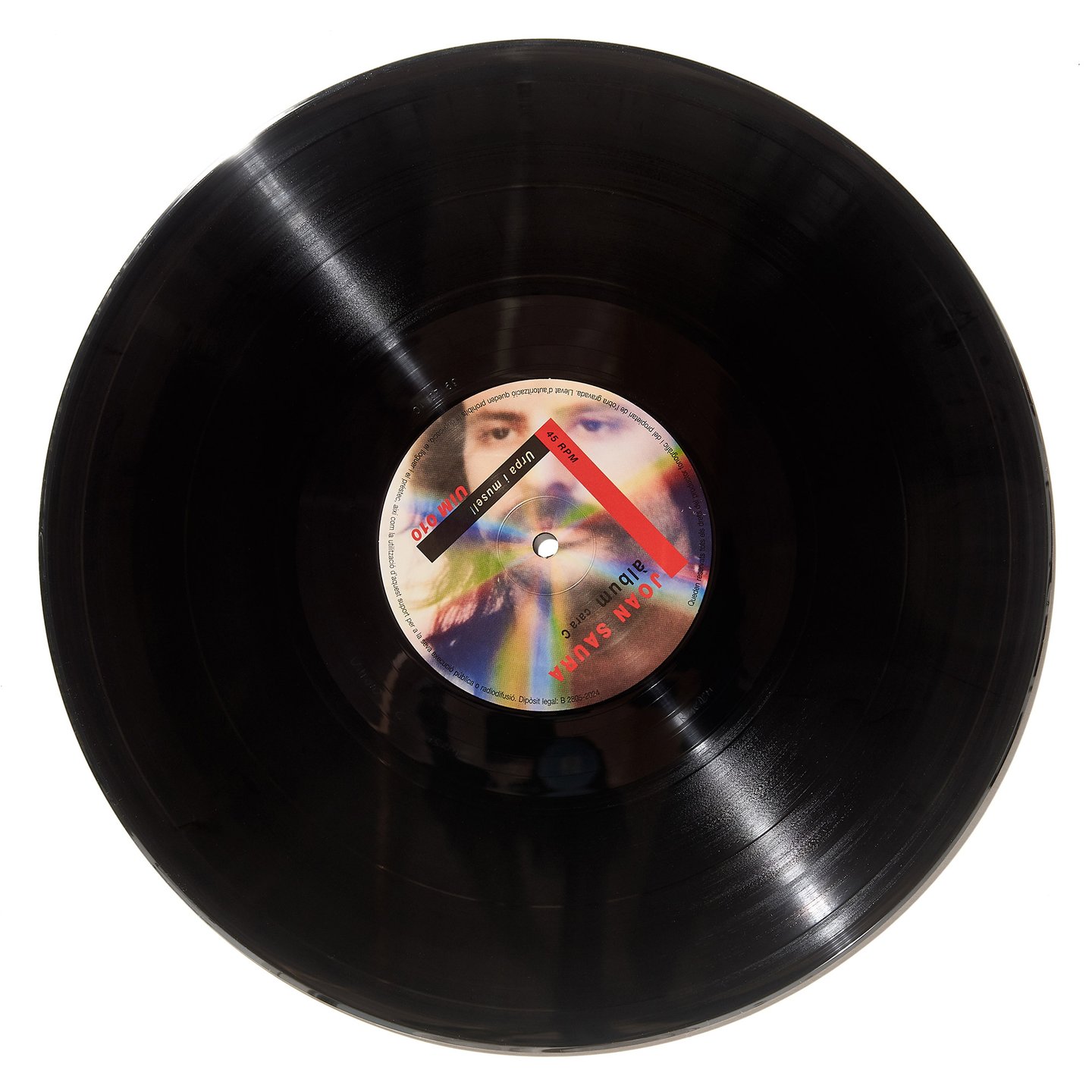
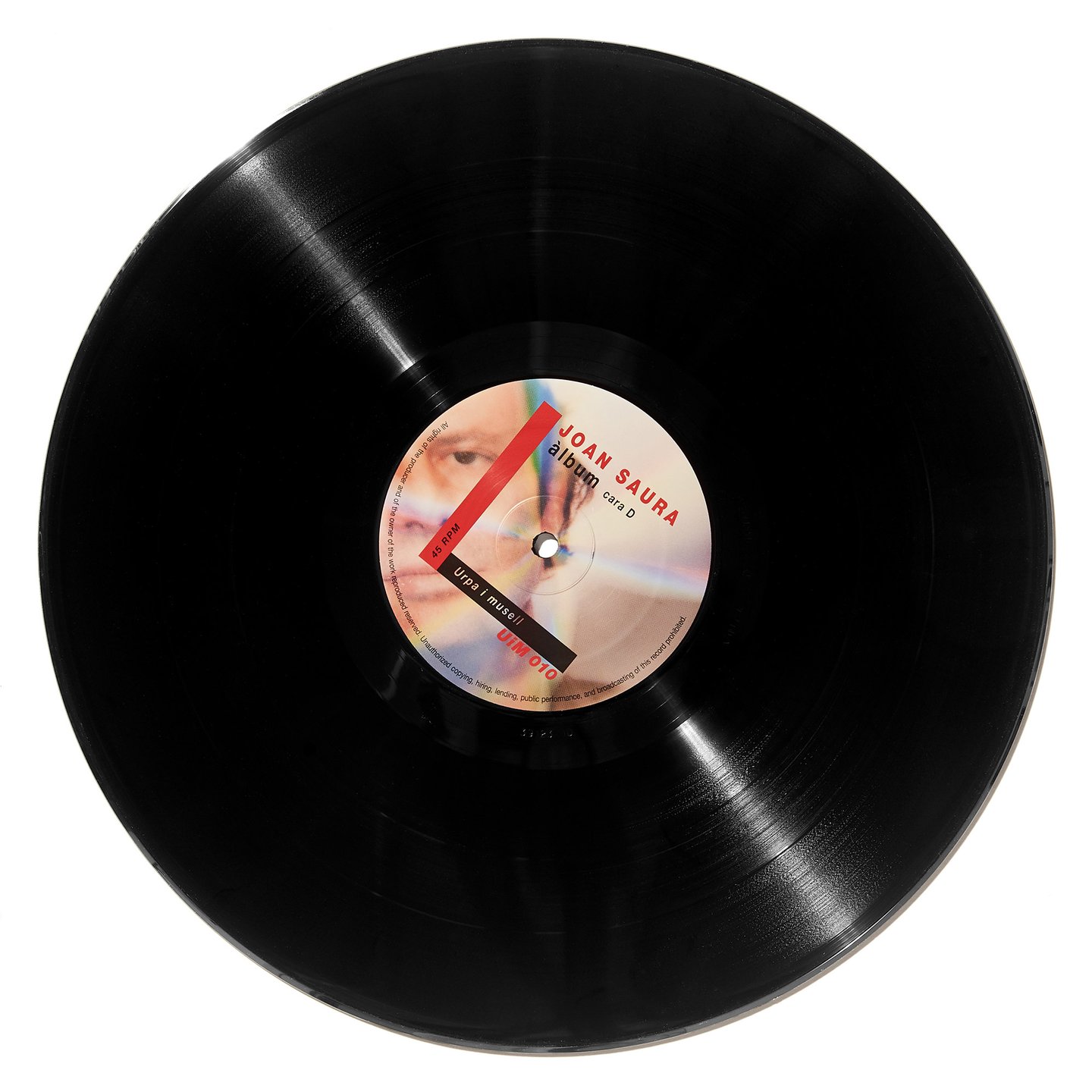
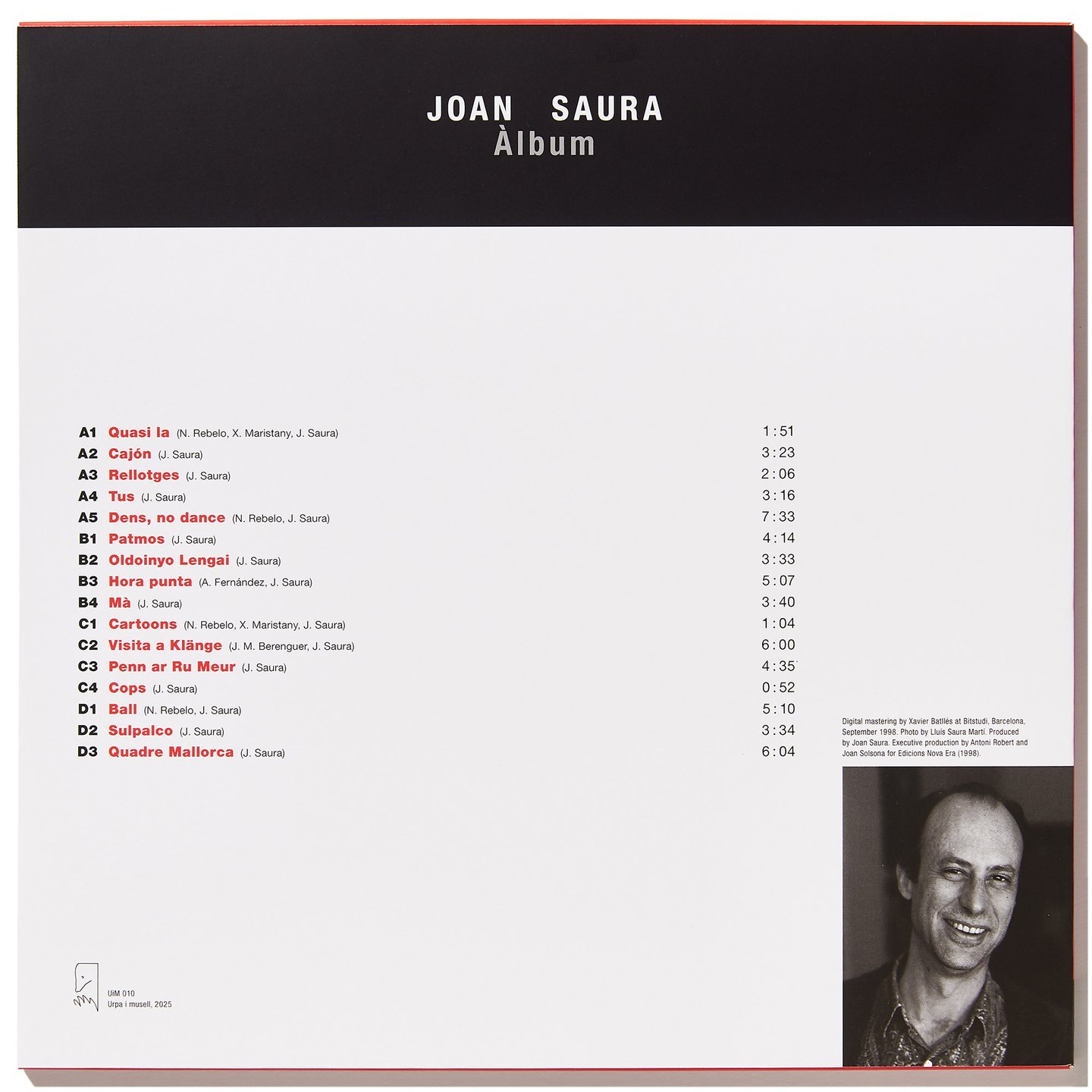
Àlbum, by Joan Saura

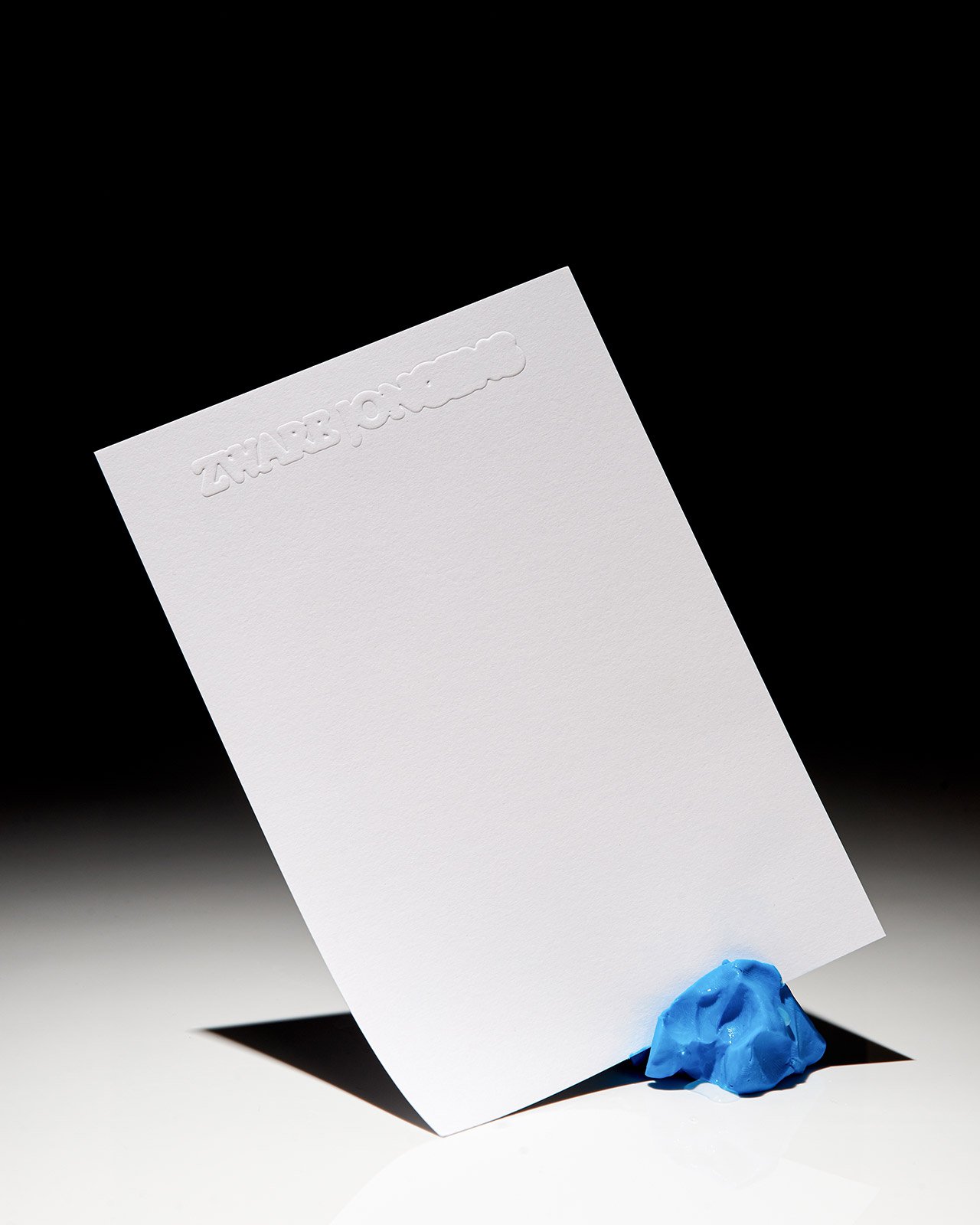
Zware Jongens
Visual identity for an agency that does not want to be seen


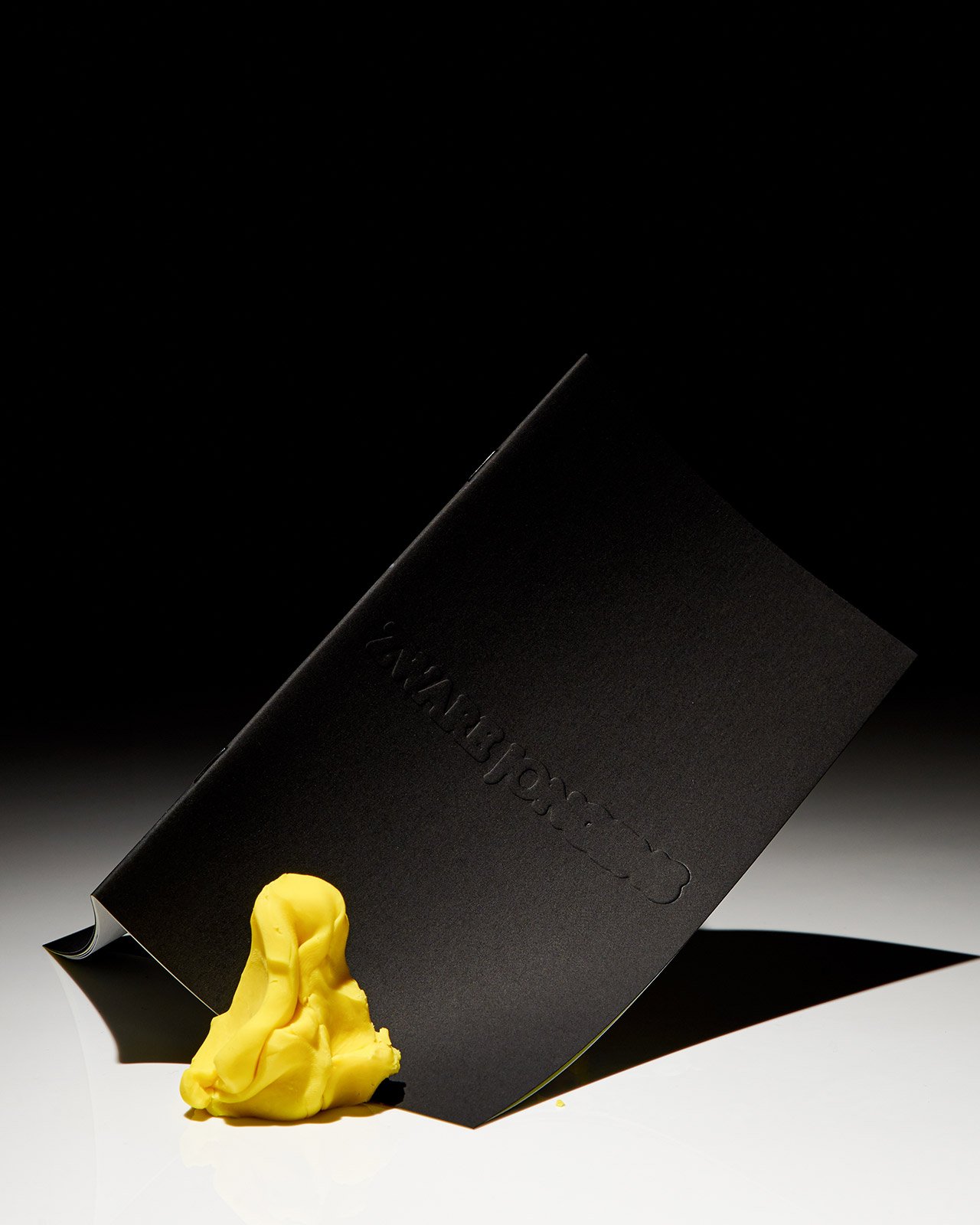
Joan Saura (1954-2012) was a pioneer in the use of the sampler in experimental music in Catalonia, combining improvisation and composition and developing his own language that dialogued with disciplines such as dance and the visual arts. He passed away prematurely, he was very influential in his generation, one of the richest and most unclassifiable in the country, where he is still much remembered and loved. The relevance of his work and legacy – the multiple tributes that have been dedicated to him testify to this – have not received the recognition it deserves.
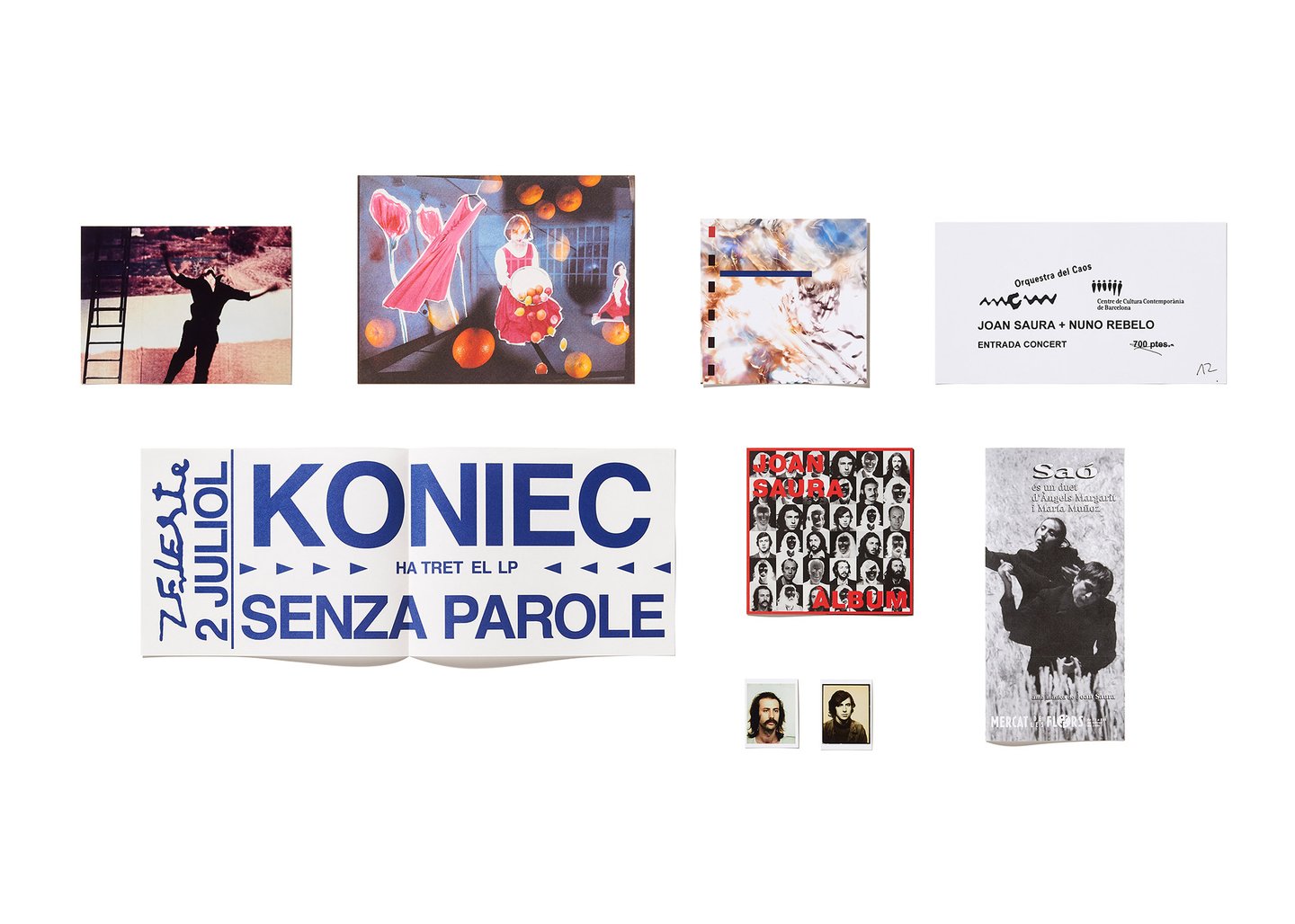
Heir to the Ona Laietana, Joan Saura was a founding member of the groups Rambla, Blay Tritono and Rambliolia. In the 1980s he founded Koniec with Xavier Maristany, Josep Palomas and Oriol Perucho, a leading formation in experimental and unconventional music with other bands such as Macromassa and Gringos. In the 1990s he was one of the promoters of such innovative experiences as the Orquestra del Caos or the first collective IBA (Improvisadors de Barcelona). David Picó S. summarized his background in an article in the Rock & Classic supplement of the newspaper Avui: “it is important to remember that Joan Saura is a musician who comes from afar and who has crossed various terrains […] without settling down in any one or without ever seeking shortcuts to conventional music.” Saura specified this in the same article: “in fact, I have always understood groups as workshops to try new things and see the results.”
The facet of Joan Saura that best demonstrates his multifaceted vision of music is the abundant work dedicated to incidental music, especially intended for dance. In the 80s he began his collaboration with the Ballet Contemporani de Barcelona, and also with dancers and choreographers such as Àngels Margarit and the company Mudances, Constanza Brnčić, Andrés Corchero and the company Raravis. Later, he participated in dance shows by the companies Nats Nus, Lanònima Imperial and many others.
During his career he also shared the stage as an improviser with many musicians, such as John Zorn (Cobra), Evan Parker, Peter Kowald, Carlos Zíngaro, Graham Haynes, Butch Morris and Rhodri Davies.
The album in question, Àlbum, is a collection of previously unreleased pieces, a panorama of his mature work –up to the date of publication–, where very different music pieces are united, despite the perceptible common hand, coherent and without prejudice. The album contains improvisations, compositions and hybrids, a dynamic very typical of Saura, as Cabo San Roque explained to Enderrock shortly after his death (“Els músics recorden Joan Saura”. In: Enderrock (25/10/2012)): “a great contribution that [Joan Saura] has made to us is the way of working and understanding composition and improvisation without belittling either of the two and taking advantage of and combining well what one and the other gives you.” The improvisations on the album are with Nuno Rebelo, Xavier Maristany and Agustí Fernández; the compositions, for shows by Àngels Margarit, María Muñoz and Tomàs Aragay; and the hybrids, an unfinished piece by Koniec, a reworking of an improvisation with Nuno Rebelo and an improvisation using sound samples from Josep Manuel Berenguer’s album Klänge. This wide range results in pieces with very diverse and rich sounds. David Picó S. emphasized it in his review when the album was released: “atmospheric tones, acoustic pointillism, intensity in crescendo, experimentation, serenity, improvisation; and very varied sounds, with pianos, violins, saxophones, guitars, samplers… […] A challenge for Saura and also for the listener with awake ears.” Pere Pons summed up this whole amalgam: “Saura has made his craft and talent an authentic art of subtlety and discretion. He has been an intrepid and persistent creator, a true pursuer of the definitive note in the drawer of samplers, variations and loops. Music for him had no secrets, but was a secret in itself.” (“Curtcircuit”, Pere Pons. In: Enderrock, 23/10/2012).